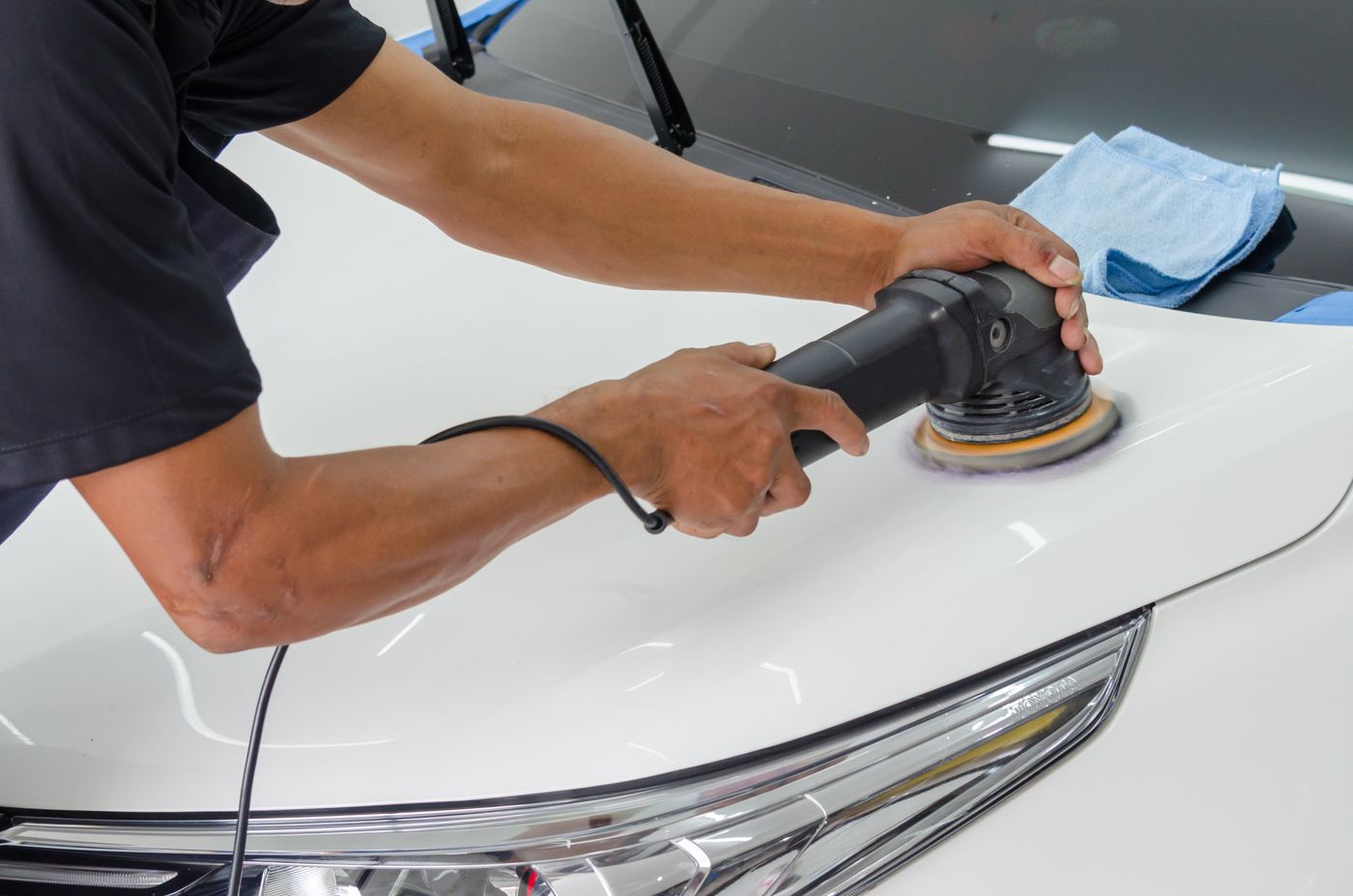
Paint refinement, protective finishes and careful presentation enquiries based on the vehicle's actual condition.
01Swirls, oxidation and scratches need different approaches. Inspection and paint condition matter before agreeing a correction level. Inspect the paint in diffuse daylight and note the panels affected, particularly around handles and roof edges. Prior repainting, thin clear coat or damaged lacquer may limit what can safely be corrected; request a test-area assessment.
Read guide →02Ask how existing paint and prior repairs will be assessed. Removing defects can involve removal of a small amount of clear coat. Describe whether the aim is a gloss improvement, fewer visible wash marks or more extensive correction. Agree how results will be evaluated under consistent light; no sensible polishing quotation should promise removal of every defect.
Read guide →03Clarify preparation, expected upkeep, curing requirements and whether a dry controlled environment is needed. Identify where the car is normally parked, how it is washed and whether it can remain dry during the agreed curing period. Request the coating specification and maintenance expectations instead of relying on a durability headline.
Read guide →04Embedded contamination differs from loose dirt. Agree a process compatible with the existing finish. Distinguish gritty contamination felt on clean paint from tar spots, iron deposits and general road film. Ask which treatment is compatible with your vehicle finish; aggressive treatment may create additional marks if unsuitable.
Read guide →05Decide whether improved gloss or greater defect correction is the priority. They can have different time and risk implications. An enhancement is often more appropriate than extensive correction when the priority is a better-looking daily driver. Discuss how much preparation is included and whether any remaining deep marks will be recorded at handover.
Read guide →06Conventional polishing can change sheen. Identify the finish and obtain compatible care advice. Check whether the finish is factory matte paint, vinyl wrap or a satin coating. These are not interchangeable; ordinary abrasive polishing may permanently change the sheen and the product manufacturer's instructions take priority.
Read guide →07Record dealer-applied treatments and defects found during delivery before agreeing any protection. Record transport film, dealer sealant, minor wash marks and any delivery-condition concerns. Discuss the inspection and preparation before choosing protection; a newly registered car is not necessarily free from contamination.
Read guide →08Prior repairs and delicate paint change what is appropriate. Discuss the preservation goal rather than expecting modern paint standards. Older paint may include mixed repair histories and delicate finishes. Request an assessment of each panel, including previous repainting and oxidation, and agree conservative improvement rather than assuming a modern correction process suits it.
Read guide →09Different wheel finishes and plastic trim need suitable products. Mention unusual materials or previous refinishing. List the wheel finish, textured plastic, badges and other trim separately. Select methods for each material and note pre-existing staining or peeling, which cleaning alone may not reverse.
Read guide →010Follow the coating manufacturer's wash and cure guidance and record which coating has actually been used. Use the provider's written guidance on washing, products and maintenance intervals. Keep a record of the original protection application and any subsequent treatment, so later work does not accidentally conflict with it.
Read guide → Every quote depends on the vehicle, suitable provider and actual scope. No unverified qualification or outcome is claimed.